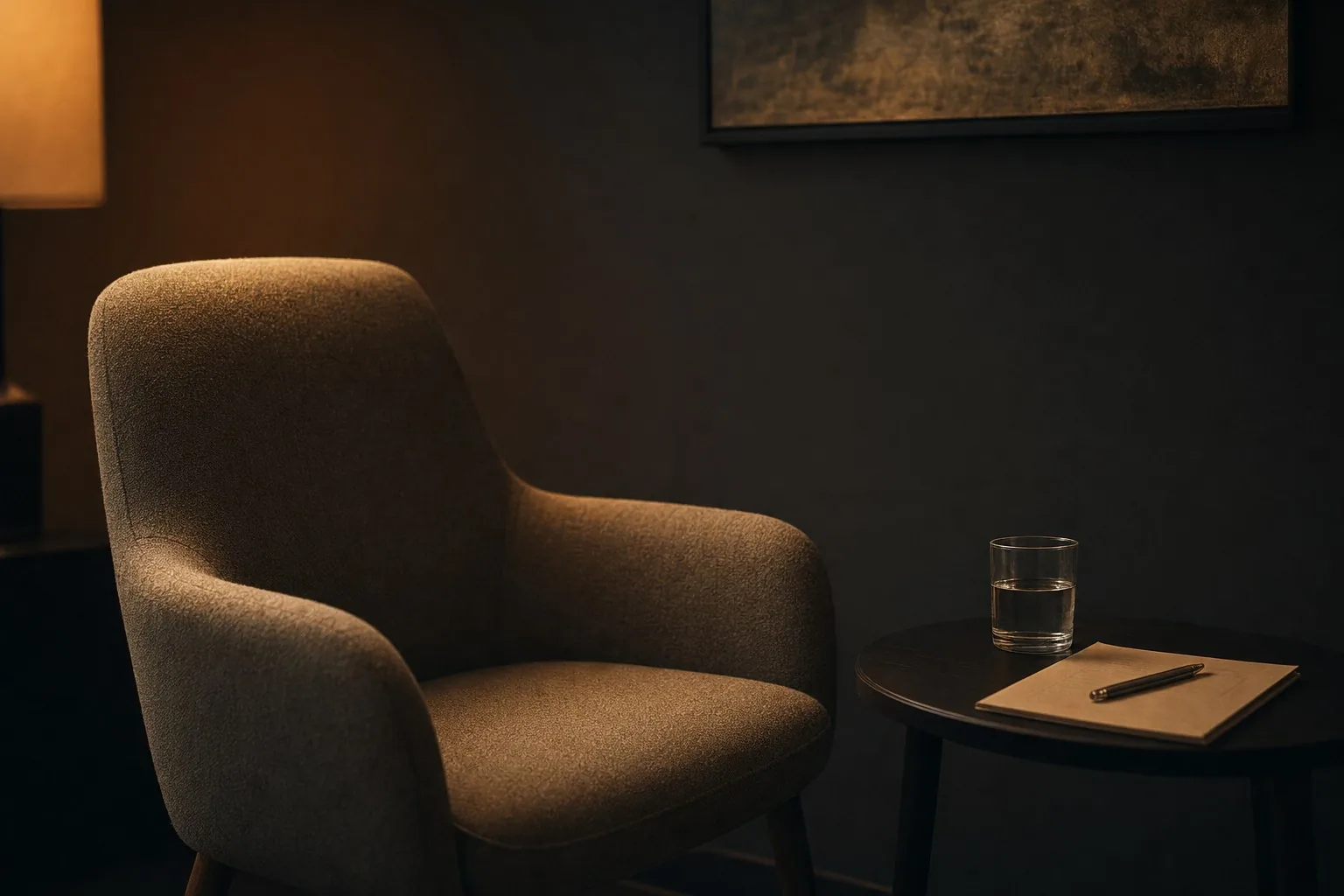
Who is in the room
Usually all of you for the first ten or fifteen minutes, so your student hears what you
are worried about in their presence rather than imagining it. Then them alone for the
bulk of the hour. Then, often, you again briefly at the end.
That order is intentional. It establishes early that this is their space and that
nothing is being decided about them behind a closed door.
Confidentiality, explained to them directly
Before anything else, I tell your student in plain language what stays in the room, what
does not, and exactly what would make me break confidentiality: risk of serious harm to
themselves or someone else, and suspected abuse, which Alabama law requires be reported.
Teenagers test this. They should. Answering it honestly and early is what makes the
fourth session possible.
What I am actually assessing
How they see the problem, which is frequently not how you see it. What is working in
their life — strengths get looked for as deliberately as difficulties. Sleep,
appetite, school, friendships. Safety, asked about directly and without drama. And what
they would want to be different, in their own words.
What your student controls
The pace. There is no requirement to disclose anything in the first hour, and a student
who says “I do not want to talk about that yet” has given a completely
acceptable answer. Trust is a precondition for the work, not a reward for completing it.